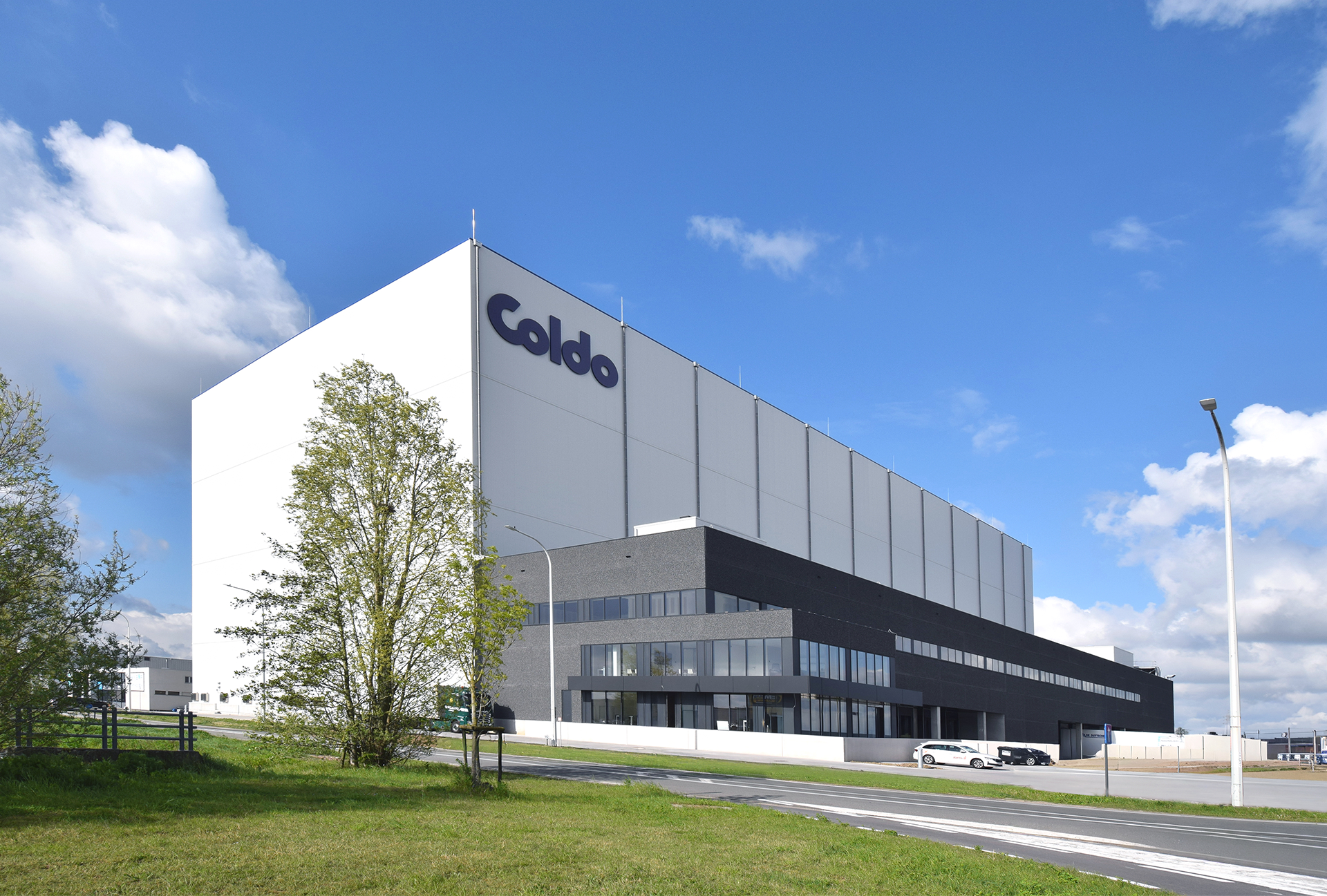
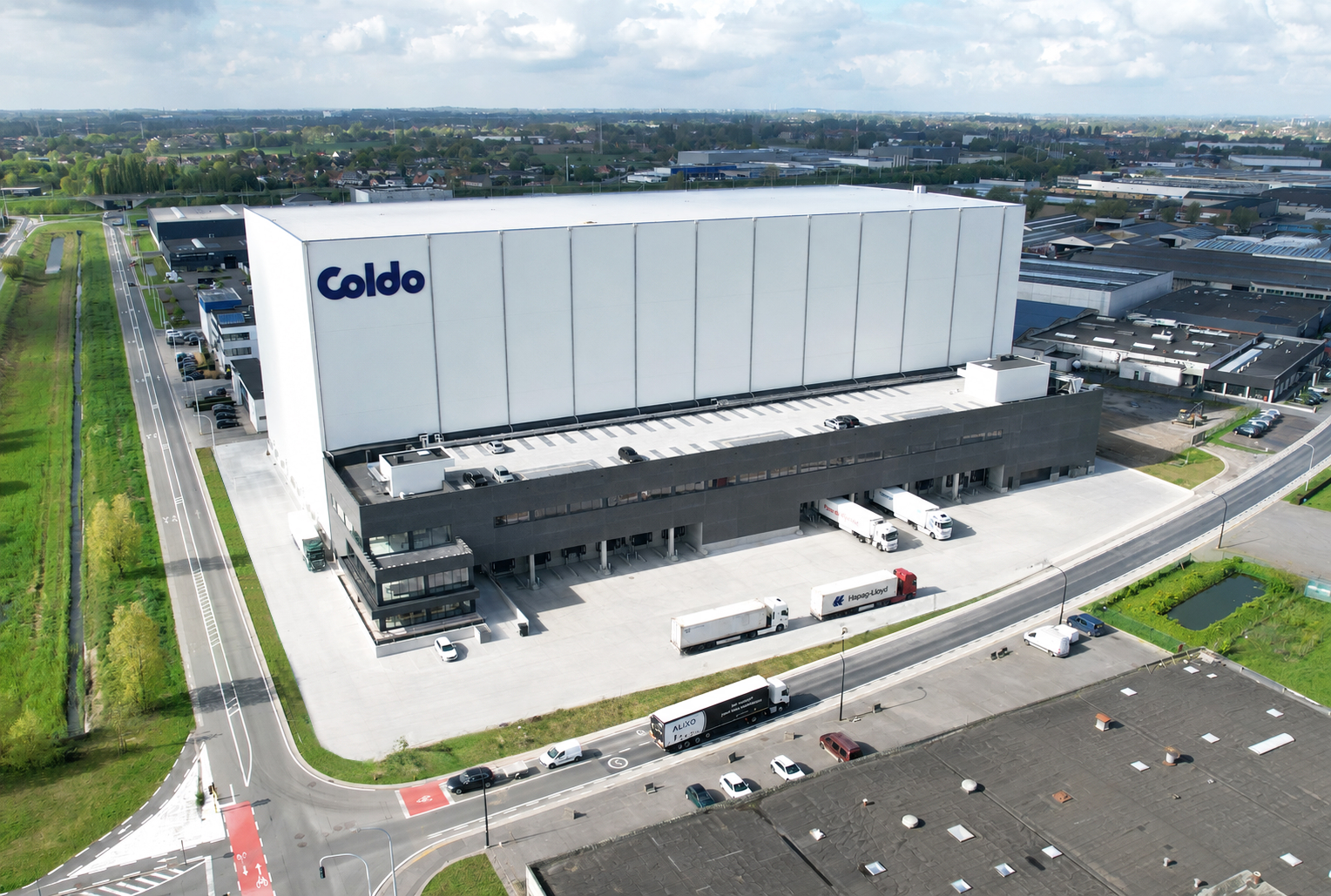
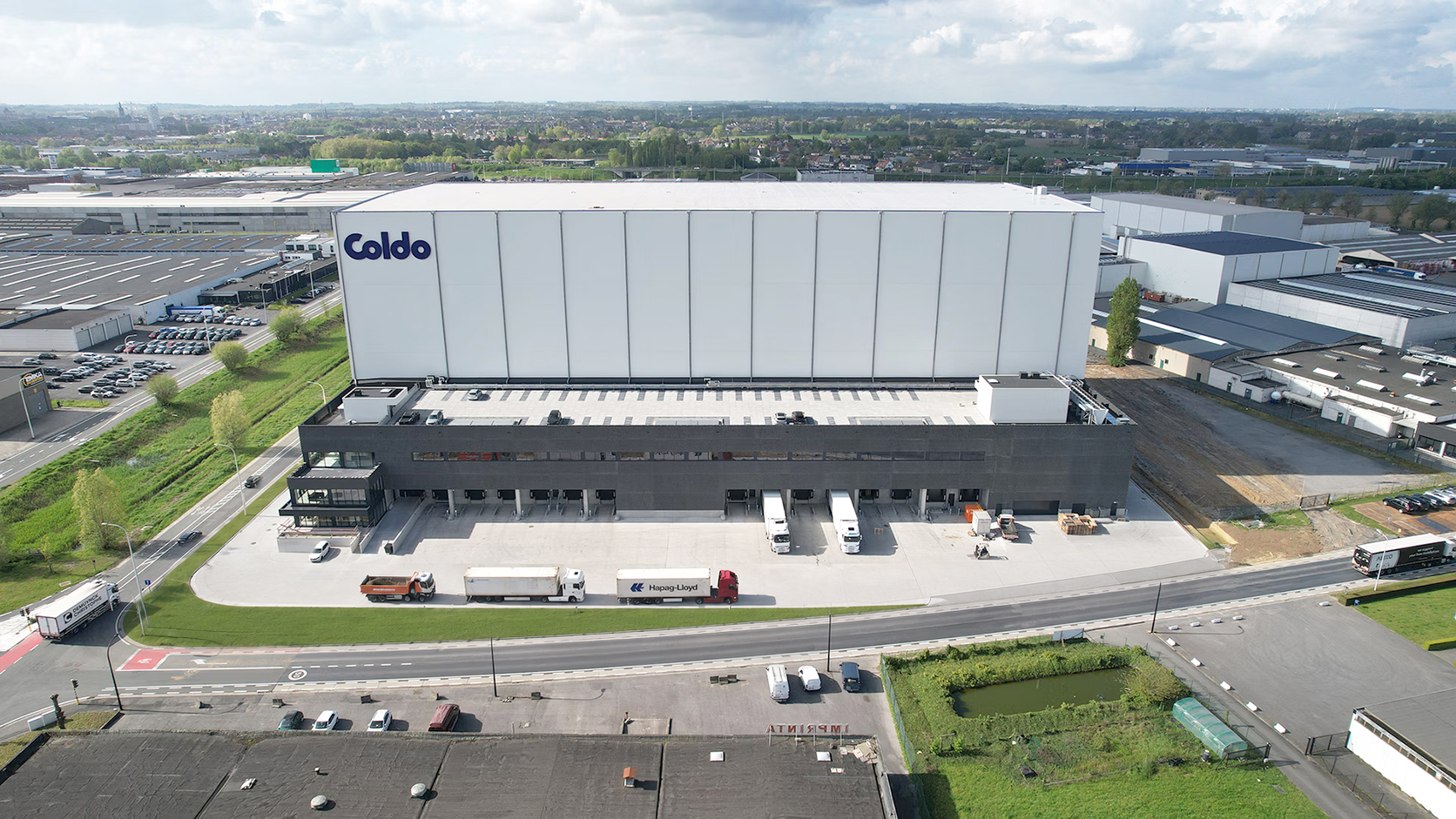
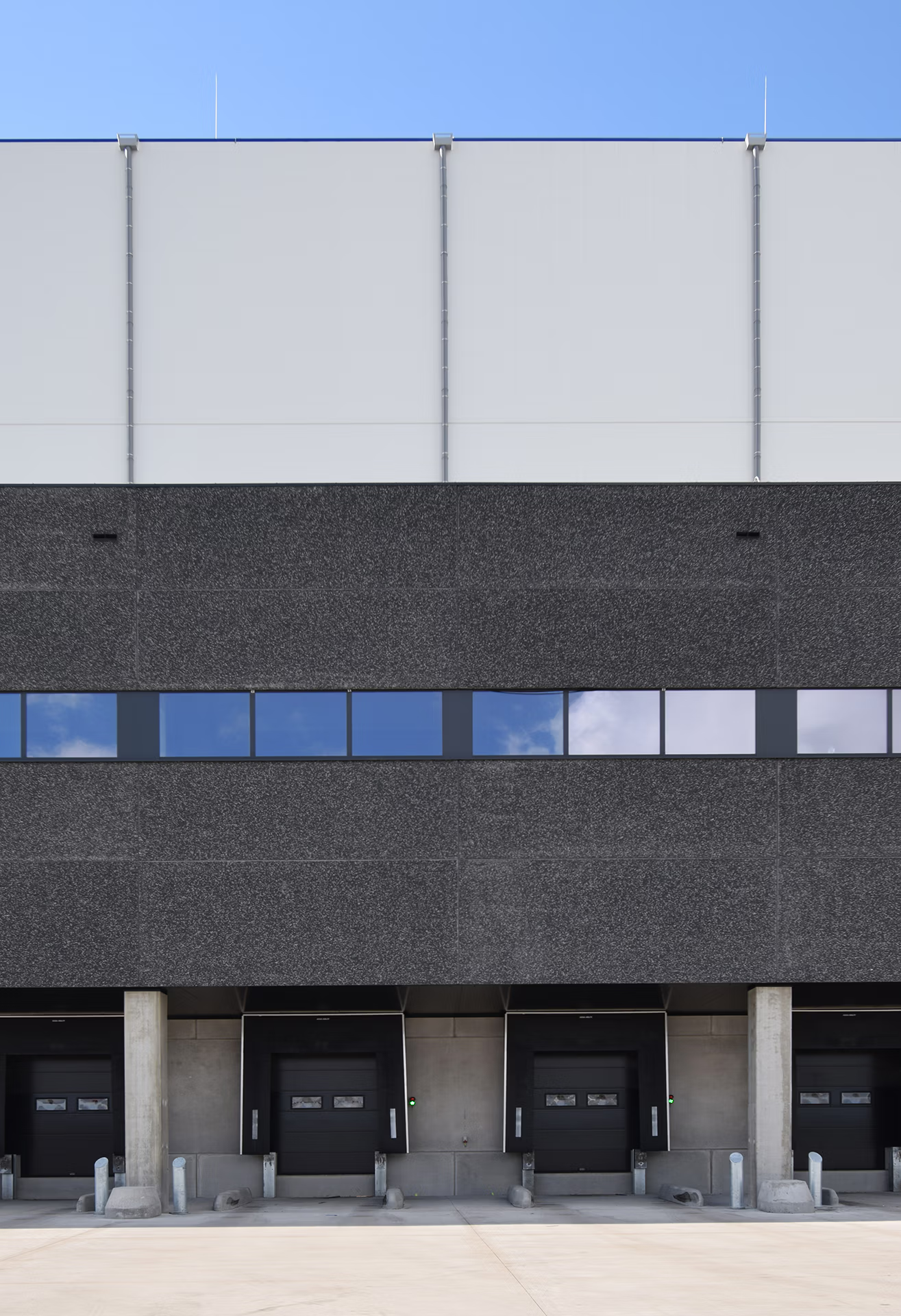
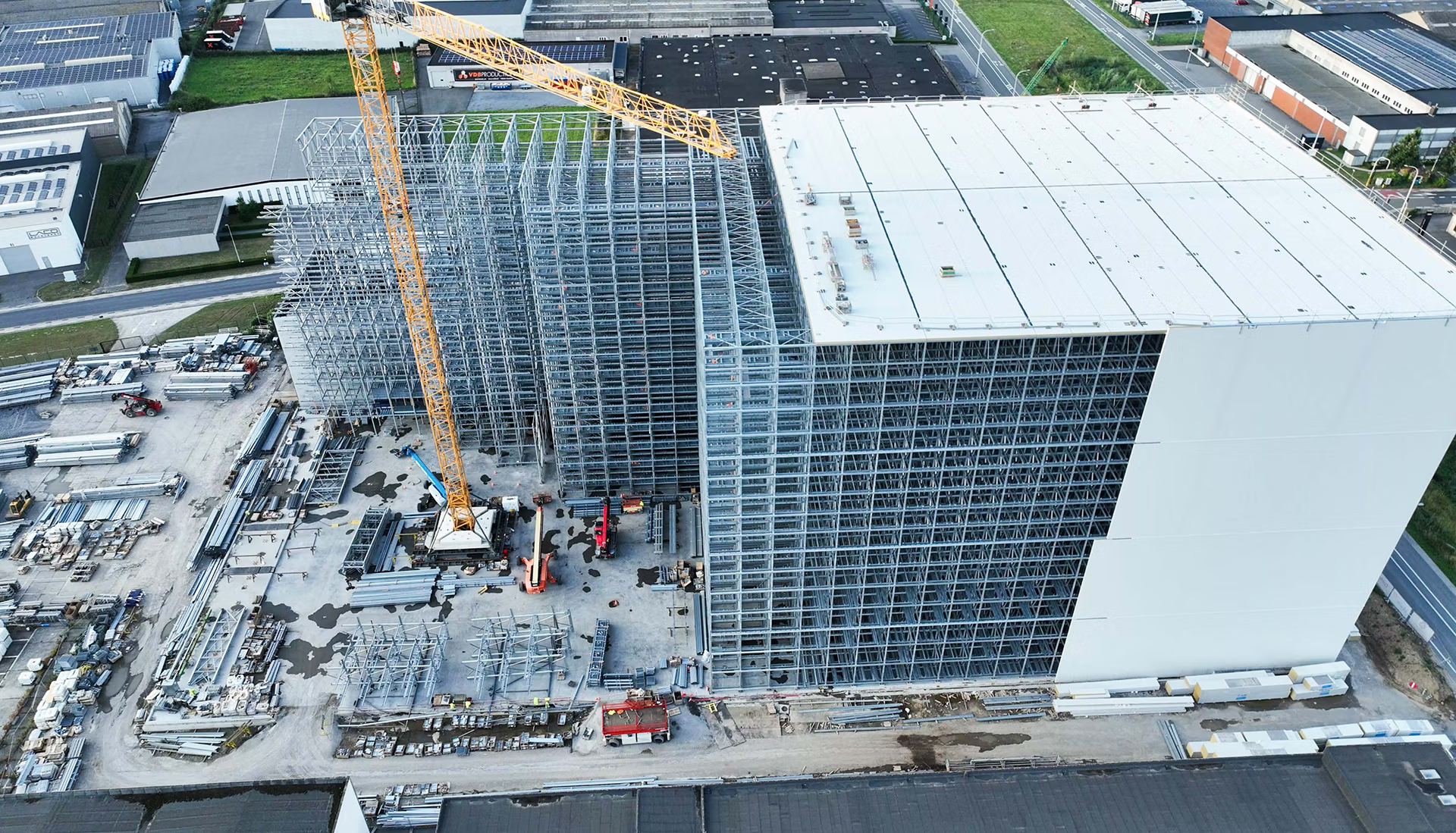
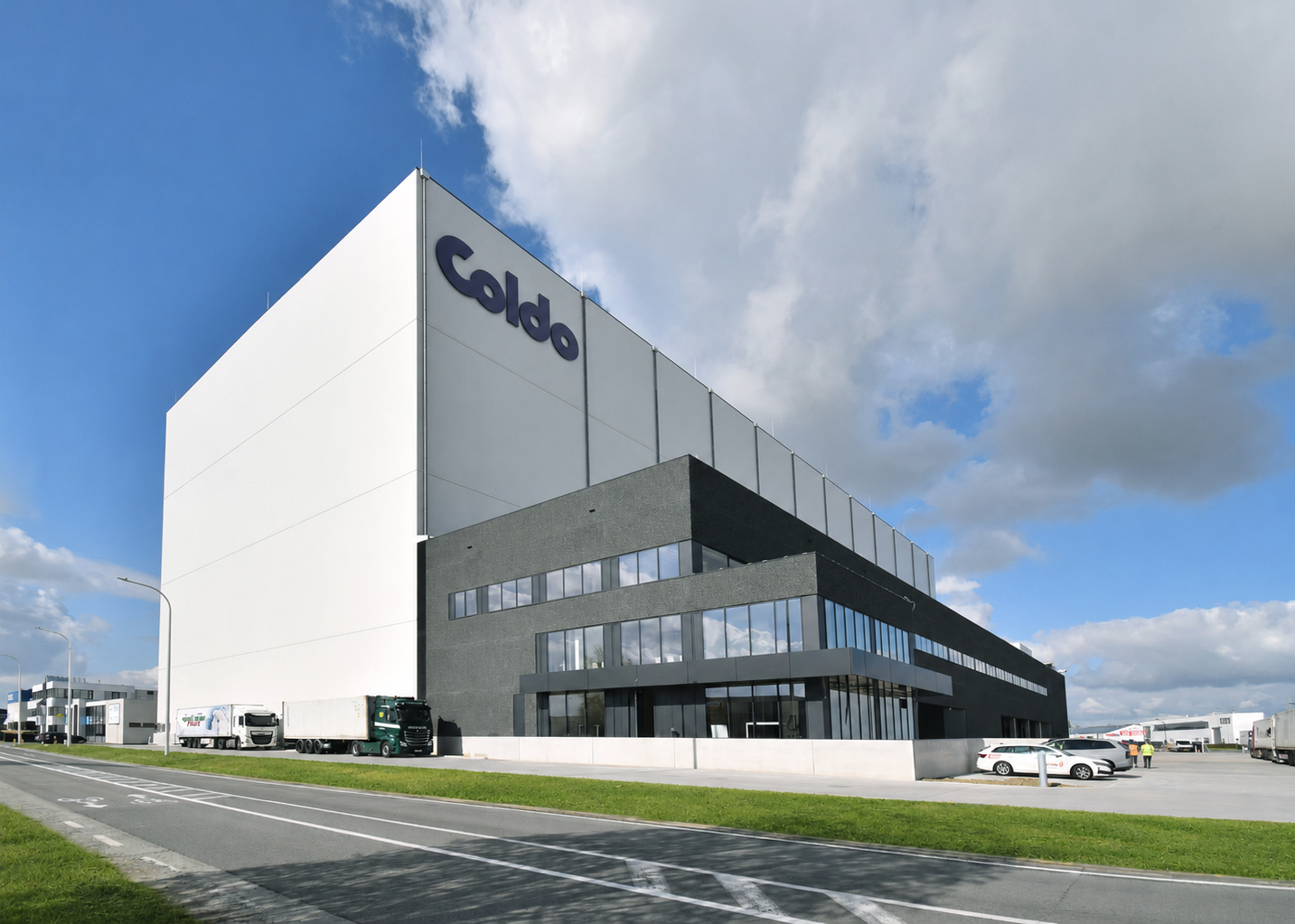
The building is located on COLDO’s existing site in Kuurne, where the available space is used to maximum effect for logistics operations. With a height of almost 47 metres and a capacity of 60,000 pallet spaces, the project adopts a distinctly vertical storage strategy. This compact approach limits the building’s footprint and preserves the site for truck movements, loading and unloading zones, and internal circulation. Additional functions such as expedition, picking, offices and technical rooms are logically connected to the operation of the highbay.
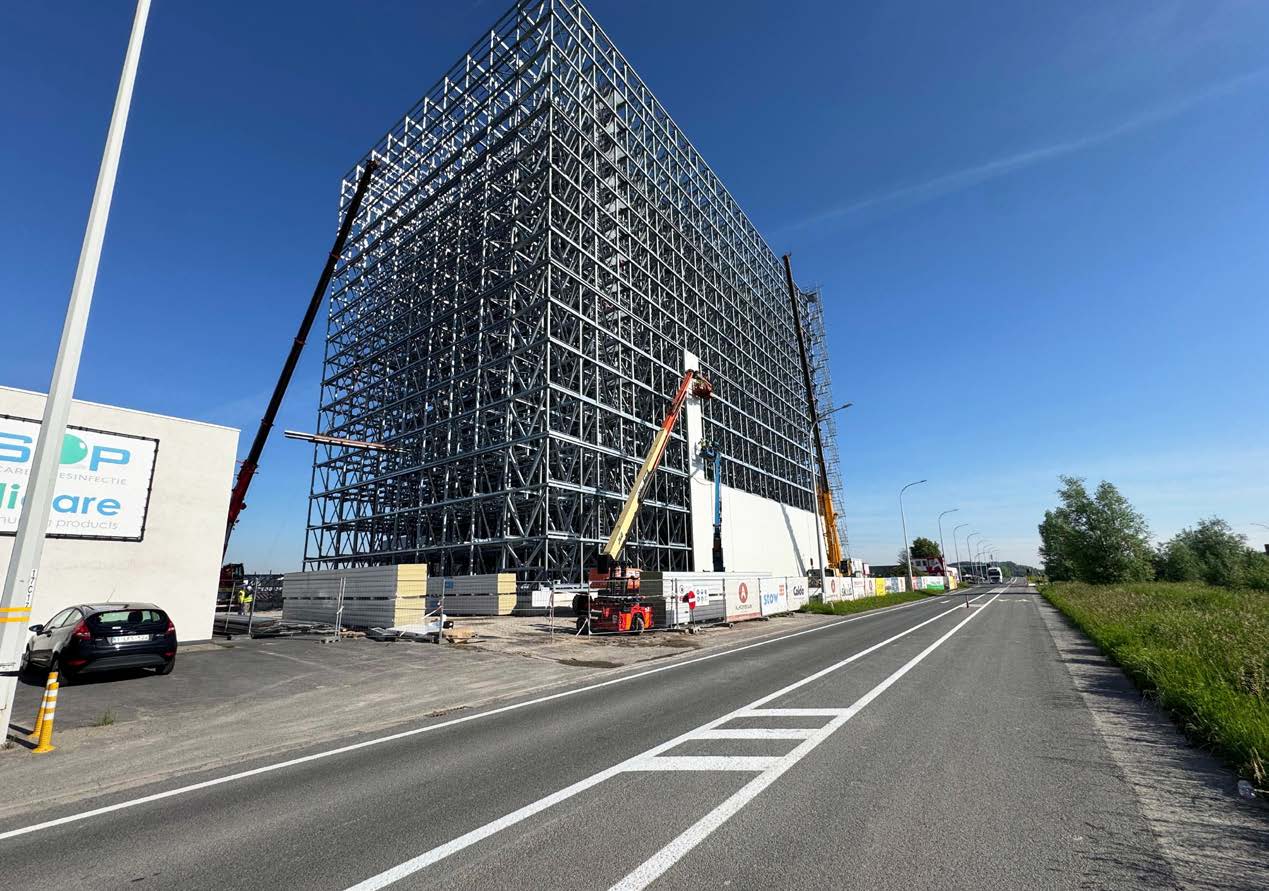
Architecturally, the project is conceived as a clear and robust industrial volume, in which the building, racking structure, cooling technology and automation are closely integrated. The scale of the highbay is structured through a legible volumetric composition and a functional materiality that responds to the industrial character of the site. Particular attention was given to the organisation of logistics flows, the technical performance of the frozen storage volume and the efficient use of space at site level.
The decision to organise parking on the roof of the front building illustrates the project’s thorough spatial optimisation. This results in a compact site configuration in which staff, freight traffic and goods flows each follow their own clear logic. The new highbay combines scale, automation and sustainability in a building that architecturally supports COLDO’s operational ambitions.